Content & SEO copywriting —
intent, briefs, E‑E‑A‑T, and an editorial calendar — for rankings and conversion
From intent maps and H1–H3 structure to briefs with LSI, SERP references, and trust signals. Publication cadence and editing aligned with real demand — not volume for its own sake.
Why doesn’t your content convert or gain organic traction?
1
Traffic but no sales
Your pages get visitors, but they bounce without converting. The content doesn’t match user intent.
2
Google ignores your pages
Algorithms see low value: missing E-E-A-T, structure doesn't align with search intent, keywords are stuffed without logic.
3
Copywriters miss the mark
Without a detailed brief and semantic model, authors create texts that neither drive traffic nor increase conversions.
4
Competitors outrank you with content
Blog posts don’t attract links or rank for targeted clusters because there is no systematic plan.
What you get
From intent maps and H1–H3 structure to briefs with LSI, SERP references, and trust signals. Publication cadence and editing aligned with real demand — not volume for its own sake.
Intent & SERP map
Query clusters, winning page types in the SERP, user questions, and gaps versus competitors.
- Commercial vs informational split
- Formats: longform, comparison, how‑to, landing
- No one‑size template where intent diverges
Copywriter briefs
H1–H3, LSI, must‑answer prompts, SERP references, tone and legal guardrails.
- Micro‑theses per paragraph and CTAs
- Internal links wired from the plan
- Acceptance criteria and fluff checks
E‑E‑A‑T in the copy
Author, expert quotes, primary sources, policies, freshness — tuned to risk level.
- YMYL must‑haves spelled out
- Legal/compliance alignment when needed
- Update cadence and owners
Editorial calendar
Quarterly or half‑year schedule: cluster, URL/page type, KPIs, dependencies on product releases.
- ICE or impact‑first prioritization
- Ties to link building and tech work
- Buffer for seasonality and promos
Existing content audit
What to strengthen, merge, or deindex; intent conflicts and thin pages.
- Cross‑check with GSC and conversions
- Fix backlog without a full rewrite mandate
- Publication queue after the audit
Editing & QC
Draft reviews for intent, structure, E‑E‑A‑T, and over‑optimization; pre‑publish checklist.
- Consistent terms and numbers
- Headline and snippet pass
- Regression check after editor changes
Internal linking in briefs
Where readers go next: hubs, commercial pages, related info URLs without anchor spam.
- Anchors that stay natural
- Close tunnels with no outbound context
- Aligned with a broader content audit if you run one
Titles, meta & SERP blocks
Snippet lines per cluster, rich formats where appropriate, A/B hypotheses for top URLs.
- Avoid duplicate titles across a content series
- FAQ and structured blocks only when justified
- Length and clickbait risk control
Data-Driven Content, Not Guesswork
Not ‘pretty copy,’ but engineering for intent and quality signals: structure, facts, and measurable goals per cluster.
Intent → structure — Each asset starts with intent type — informational, transactional, navigational — which drives format, blocks, and headings.
E‑E‑A‑T by design — Authorship, primary sources, freshness, and explicit trust cues — especially for YMYL and competitive verticals.
Scalable systems — A 3–6 month plan prioritized by traffic and conversion upside — not one‑off posts into the void.
How the work is structured
From discovery to a publish plan and quality control.
Step 1
Discovery & Audit
Gather business goals, audit current content and competitors, identify quick wins. Outcome: Actionable insights and a focused starting point.
Step 2
Intent & Semantic Research
Collect queries, cluster by intent, analyze top-performing pages. Outcome: Intent map and prioritized keyword list.
Step 3
Content Design & Briefing
Create detailed briefs for each page: structure, LSI terms, sources. Build the editorial calendar. Outcome: Ready-to-execute briefs and content plan.
Step 4
Writer Support (optional)
Coordinate with copywriters: clarify tasks, review drafts against E-E-A-T checklist. Outcome: Drafts that meet SEO standards.
Step 5
Quality Control & Handoff
Final check: intent match, structure, E-E-A-T, keyword usage. Provide improvement guidelines. Outcome: Publication-ready content and growth plan.
Results Examples
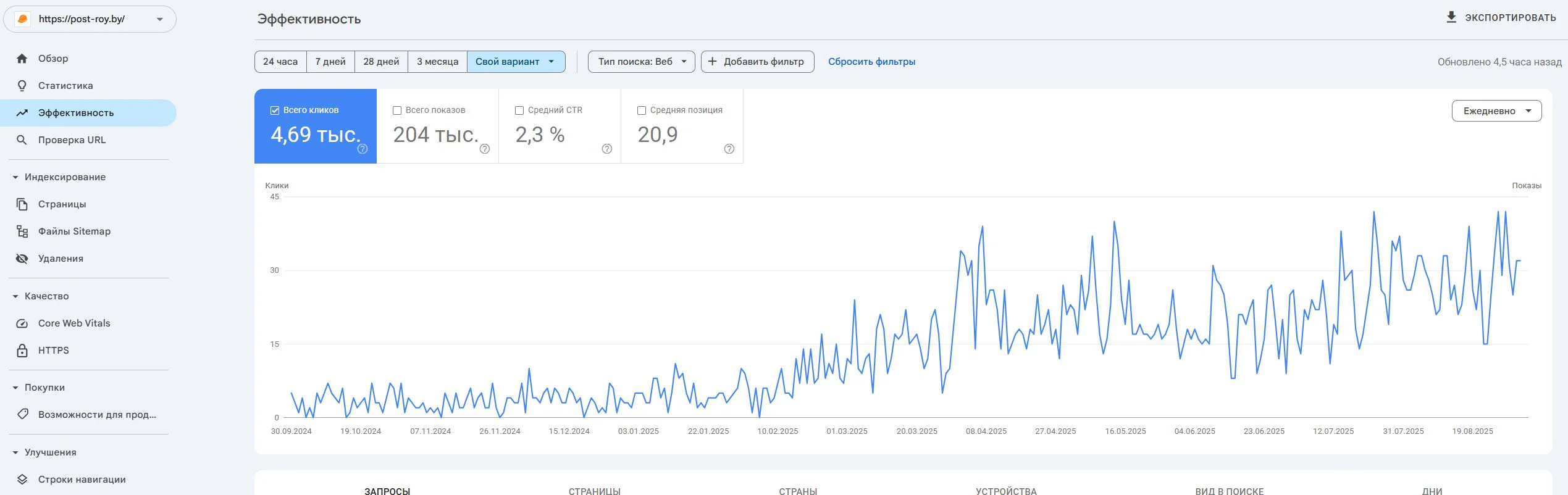
Post-Roy
A construction services website for industrial floors and screed. The project started from zero: no site, no domain, no digital reputation.
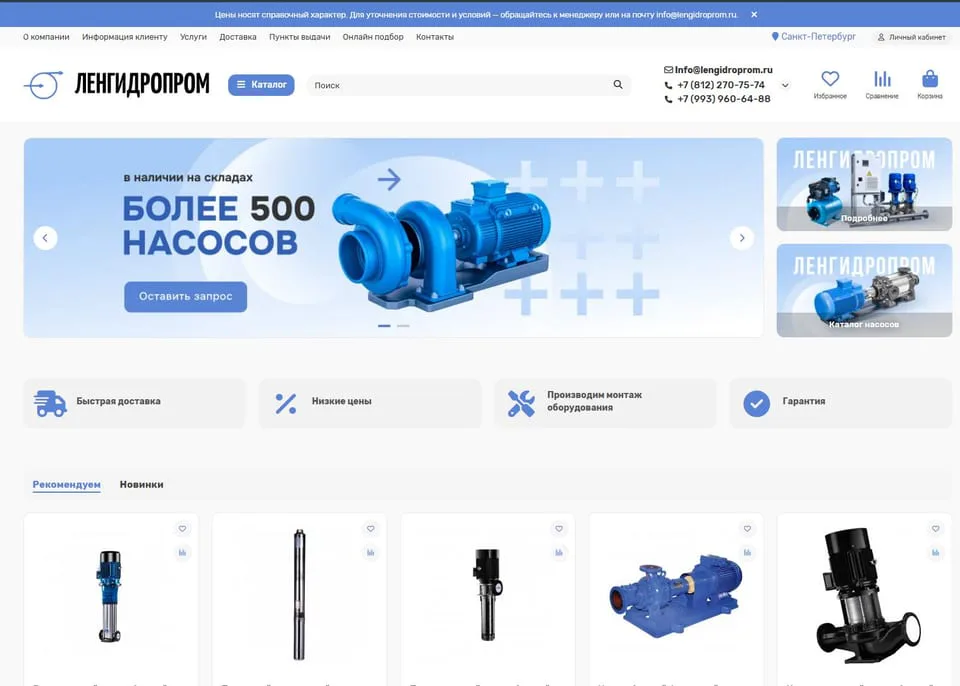
lengidroprom.ru
An OpenCart pumping equipment catalog: template redesign, bot filtering, silo architecture, trust factors and standardization of 3000+ product cards.
Personal
The expert who runs the work
No hiding behind a sales team: priorities, reviews, and straight answers—from strategy through reporting.

SEO Strategist
Pavel Barushka
Head of SEO @ Texode · Minsk / hybrid
SEO strategist with an engineering mindset. I lead projects from zero launch to scaling high-load platforms: JS/SPA, subdomains, multilingual and multiregional websites. Technical audits, indexation strategy, semantics and structured data are in my scope.
Frequently Asked Questions
Let’s Talk About Your Content
Intent, briefs, calendar, and editing — mapped to your clusters and funnel.
Free initial consultation