SEO migration & redesign —
relaunch without organic traffic loss
I oversee moves to a new stack (including React/Next.js), domain changes, or URL structure updates: a permanent 301 map, staging checks before DNS cutover, and log + Search Console monitoring during the release window. Semantic URL pairs — not mass redirects to the homepage.
Why do site migrations usually hurt organic traffic?
1
Redirects to the homepage — or nowhere useful
Without a semantic mapping, old URLs miss their true counterparts: rankings slip, external links stop working, and the index fills with 404s and duplicates.
2
Staging wasn’t validated like production
Meta, canonical, internal links, and HTML/JS delivery on new templates don’t match expectations — after cutover, search engines see a different site than you planned.
3
No control window on launch day
404/5xx spikes and broken 301 chains are noticed late; indexing locks in errors. Rolling back is more expensive than fixing in the first hours.
4
302s and «temporary» shortcuts instead of 301
Temporary redirects don’t fully pass equity or signal a permanent move — organic performance floats and URLs can drop from results.
What’s included
I oversee moves to a new stack (including React/Next.js), domain changes, or URL structure updates: a permanent 301 map, staging checks before DNS cutover, and log + Search Console monitoring during the release window. Semantic URL pairs — not mass redirects to the homepage.
Redirect map & validation
Semantic old→new URL mapping, template rules for pagination/parameters, exceptions. Cross‑check with CMS exports and crawl data.
- Duplicate‑goal checks in the map
- No default «everything to homepage» without rationale
- Dev‑ready format (CSV / sheet)
Staging: crawl & spot checks
Pre‑DNS: HTTP codes, meta, canonical, internal links, critical templates, JS rendering. Release checklist locked.
- URL sample weighted by organic value
- Old vs new content/intent comparison
- Blocking issues resolved before go‑live
Cutover support
During the window: logs, Search Console, 301 chains, 404/5xx spikes. Fast, agreed hotfix flow.
- Who watches what in the first 24–72 hours
- Escalation criteria for anomalies
- Change log for post‑mortem
Link equity & external URLs
Important inbound paths, redirect alignment, shorter chains, fewer surprises during consolidation.
- Priority for top donors and branded queries
- Watch for stray 302s / meta refreshes
- Suggestions for directory / partner link updates
Post‑launch: indexation & analytics
4–8 week plan: GSC coverage, GA4 goals, rankings on a control query set, response to drift.
- Weekly report template
- Coordination with product/marketing releases
- Definition of «stabilized» migration
Hreflang & multi‑region (when needed)
Domain moves or locale merges: hreflang + canonical coherence so markets don’t duplicate each other in the index.
- Locale × template matrix
- Post‑switch checks on priority pairs
- Alignment with nav and content
Engineering‑grade migration control
I design a semantic URL mapping — not string similarity alone. Staging validation before DNS cutover; log and Search Console monitoring on release day; a post‑launch plan for indexation and traffic. Permanent 301s to relevant pairs — no mass homepage catch‑alls.
Complete redirect map — Every old URL matched to a new semantic equivalent, plus rules for bulk patterns and exceptions. Parameters and pagination included.
Staging testing — Crawl and spot‑check before DNS handover: meta tags, canonical, internal links, JS rendering. A checklist so nobody improvises on release night.
Real‑time monitoring — During the switch window — log analysis, GSC, 301 chain checks, 404/5xx spikes. Early detection is cheaper than cleaning up a week later.
Link equity preservation — External backlinks must land on final URLs via correct 301s — no chain losses and no accidental 302s.
How the migration is run
Three stages: preparing the redirect map and checklist, testing on staging, and supervising the release with post‑launch monitoring.
Step 1
Plan
Redirect map: match every significant URL, define rules for parameters and pagination. Cross‑check with CMS export and crawler data. Align with development teams. Outcome: Final redirect map and testing checklist.
Step 2
Test
Staging run: sample important URLs, verify HTTP responses, meta tags, canonical, internal links, JS rendering. Checklist is frozen before release. Outcome: Confirmation that the new site is SEO‑correct, with critical issues fixed.
Step 3
Release
DNS switch supervision: log monitoring, GSC reviews, error‑spike detection. Spot fixes. A 1–2 month post‑launch plan: indexation and traffic tracking. Outcome: Stable organic traffic without dips, clean indexation of the new site.
Sample results
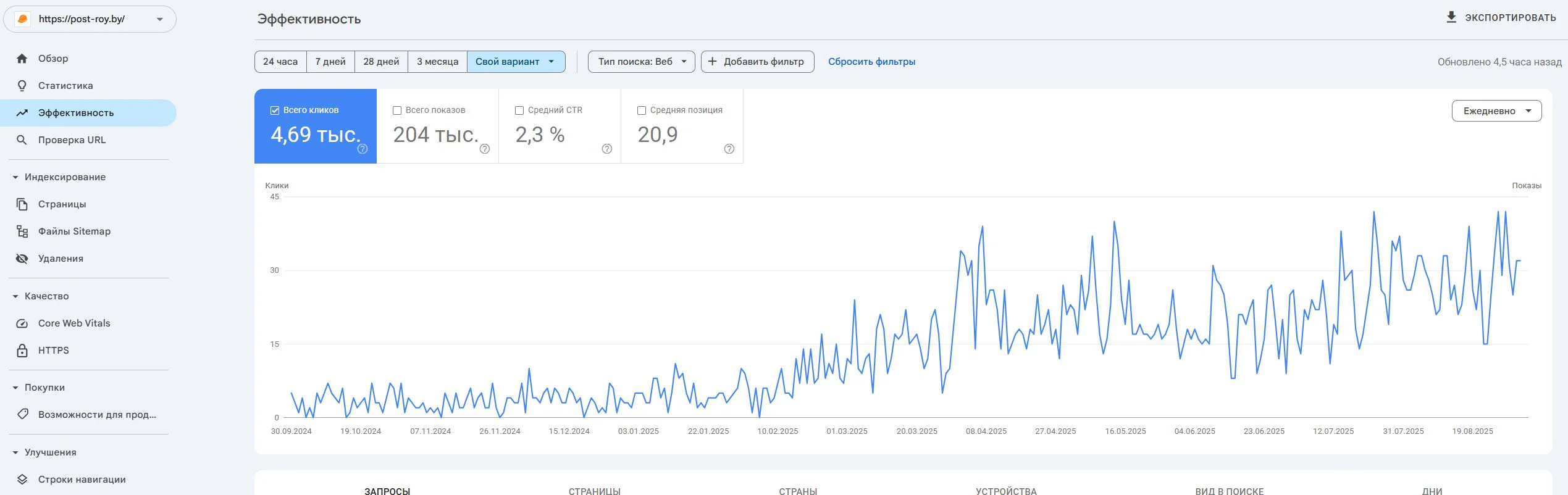
Post-Roy
A construction services website for industrial floors and screed. The project started from zero: no site, no domain, no digital reputation.
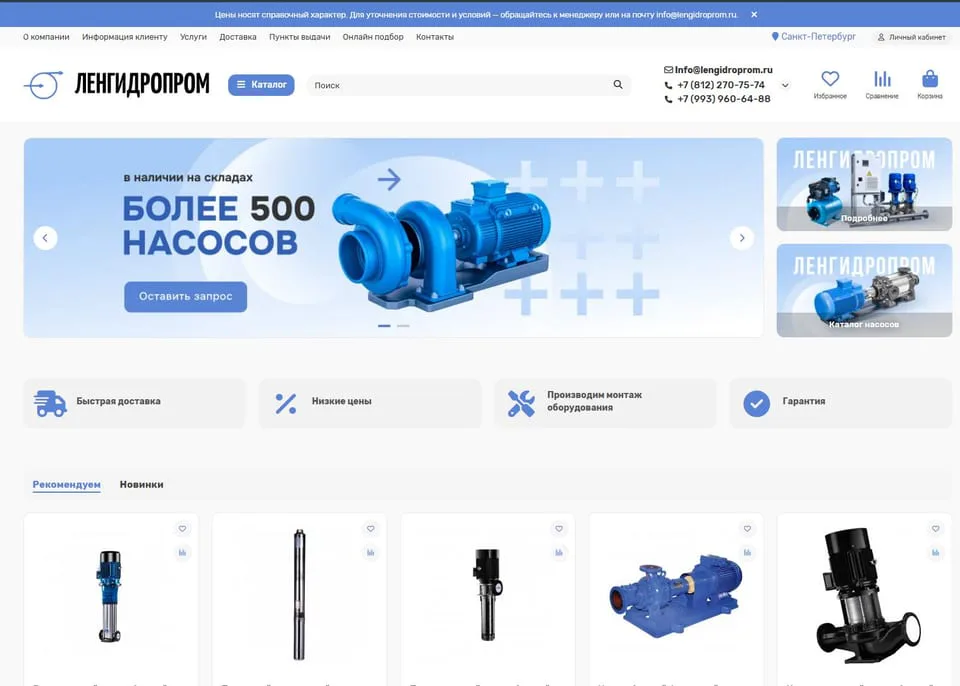
lengidroprom.ru
An OpenCart pumping equipment catalog: template redesign, bot filtering, silo architecture, trust factors and standardization of 3000+ product cards.
Personal
The expert who runs the work
No hiding behind a sales team: priorities, reviews, and straight answers—from strategy through reporting.

SEO Strategist
Pavel Barushka
Head of SEO @ Texode · Minsk / hybrid
SEO strategist with an engineering mindset. I lead projects from zero launch to scaling high-load platforms: JS/SPA, subdomains, multilingual and multiregional websites. Technical audits, indexation strategy, semantics and structured data are in my scope.
Frequently Asked Questions
Ready to move to a new platform or domain without losing rankings?
Order a migration readiness audit — I’ll review your redirect map and staging before Google does.
Free initial consultation included