Digital PR —
linkable assets and pitches: media mentions and backlinks you can stand behind
No paid placements: data, visuals, and expertise shaped for editorial needs; HARO/Pressfeed and targeted pitches that respect the outlet's reader. Focus on citation-worthy coverage and E‑E‑A‑T signals, not link counts in a spreadsheet.
Why your backlink profile isn't growing
1
Links are bought, not earned
Low-quality backlinks Google may ignore or demote. Earned mentions from real media are missing.
2
No story to tell
Journalists have nothing to write about: no unique data, no compelling infographics, no strong expert voices.
3
E-E-A-T is suffering
Without mentions in trade publications, expert columns, and commentary, it's hard to demonstrate Expertise and Authoritativeness — critical in YMYL verticals.
4
Pitches hit the trash folder
Emails to journalists go unanswered because there's no clear strategy: who to pitch, what to say, why their audience should care.
What's included in Digital PR & Linkable Assets
No paid placements: data, visuals, and expertise shaped for editorial needs; HARO/Pressfeed and targeted pitches that respect the outlet's reader. Focus on citation-worthy coverage and E‑E‑A‑T signals, not link counts in a spreadsheet.
Linkable assets
Research with data, infographics, calculators, and rankings — shaped for formats editors can embed quickly.
- Hypotheses from SERP and competitor gaps
- Methodology and data sources
- Journalist pack: charts, quotes, embargo when agreed
HARO & Pressfeed
Monitor queries; fast responses with a clear expert stance and verifiable facts.
- SLA to hit the query window
- Unified tone for spokespeople
- Log of placements and anchors
Expert columns
Outlines, drafts, and coordination with trade publications.
- E‑E‑A‑T and spokesperson visibility
- Contextual links without over-optimization
- Alignment with product calendar
Pitch strategy
Publication map and beats; personalization per desk and rubric.
- Three lines: angle, audience, fact
- A/B hypotheses on pitch themes
- Blocklists and outreach ethics
Backlink profile audit
Toxicity, gaps vs competitors, anchor skew — baseline KPIs for the campaign.
- Cross-check with organic performance in GSC
- Prioritize domains by risk vs upside
- Disavow only when threat is clear
Reporting & KPIs
Placement list, donor quality, brand mentions; second-order metrics, not just link counts.
- Referral traffic and branded search
- Follow / nofollow / sponsored per policy
- Retrospective by campaign cycle
Compliance & link markup
Sponsored/nofollow policy, outlet agreements, transparency for SEO and legal.
- Paid integrations separate from earned
- Single guide for spokespeople
- Evidence trail for PR and SEO
Tie-in with SEO & content
Story angles from the roadmap, landing pages, and research; internal links to blog and product pages.
- No weak press-release duplication
- Strengthen clusters, not random URLs
- Retention plan for assets after the push
Links as a byproduct of value
No link buying — value people cite: data, visuals, expertise — packaged in short pitches that match what each desk actually needs.
Linkable assets as the foundation — Unique datasets, calculators, rankings, infographics — formats that close a gap in a journalist's piece with real substance.
Expertise as currency — HARO, Pressfeed, and direct pitches: commentary and columns where they'll be seen and cited in the industry.
Pitch, don't spam — Each touch is up to three lines: the angle, why it matters to that outlet's audience, and a ready fact or quote.
How the work is structured
From strategy and assets through placements and cycle reporting.
Step 1
Audit & strategy
Backlink profile, competitors, niche publications; topics and formats for your industry. Outcome: Digital PR strategy with a story roadmap and target media list.
Step 2
Asset creation
Linkable assets: research, infographics, data — packaged for copy-paste into a story. Outcome: Ready-to-pitch assets with high citation potential.
Step 3
Pitching & HARO
Two tracks: editor outreach and fast HARO/Pressfeed responses. Outcome: Publications and mentions in target outlets, links from authoritative sources.
Step 4
Monitoring & reporting
Log placements and links; impact on authority and organic; adjust strategy each cycle. Outcome: Report with metrics, publication list, and next-cycle plan.
Example results
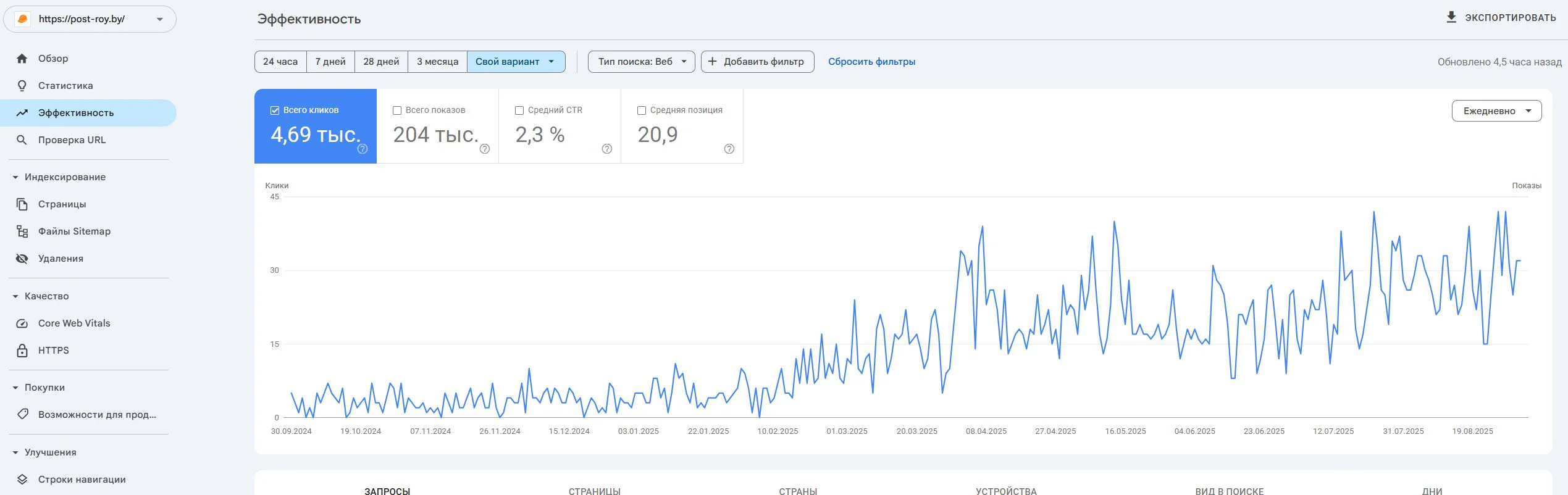
Post-Roy
A construction services website for industrial floors and screed. The project started from zero: no site, no domain, no digital reputation.
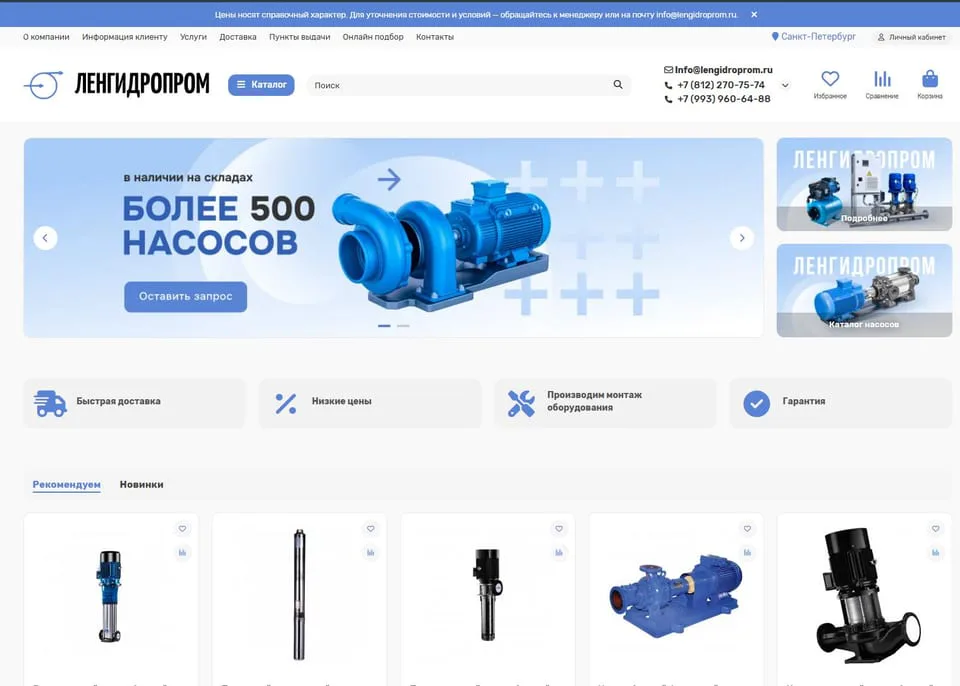
lengidroprom.ru
An OpenCart pumping equipment catalog: template redesign, bot filtering, silo architecture, trust factors and standardization of 3000+ product cards.
Personal
The expert who runs the work
No hiding behind a sales team: priorities, reviews, and straight answers—from strategy through reporting.

SEO Strategist
Pavel Barushka
Head of SEO @ Texode · Minsk / hybrid
SEO strategist with an engineering mindset. I lead projects from zero launch to scaling high-load platforms: JS/SPA, subdomains, multilingual and multiregional websites. Technical audits, indexation strategy, semantics and structured data are in my scope.
Frequently Asked Questions
Ready for links that build reputation?
Let's discuss which story or asset could become your first linkable asset.
Free initial consultation