Multilingual site —
right country and language in SERPs, without cannibalization
I design locale architecture (ccTLD, subdomain, or subdirectory), build a consistent hreflang network, and validate it against canonical. I configure Search Console geotargeting where it adds value and provide rules for market-specific content beyond literal translation.
Why locale versions undermine each other in search
1
Multiple URLs for one intent
The search engine isn't sure which version to show: the same topic on /en/, /de/, and in a folder competes in SERPs, spreading thin CTR and conversions.
2
Domain model doesn't match resources
ccTLDs without dedicated promotion, or many languages in one subdirectory without a clear URL policy: authority and crawl budget leak, and new locales stall.
3
Broken hreflang or canonical conflicts
No x-default, non-reciprocal pairs, redirects or dead URLs in the map — the network effectively turns off and regional signals weaken.
4
No tie-in to product and GSC geo
For subfolders/subdomains, region targeting isn't set; currency, shipping, and legal copy don't match what users from each SERP expect.
What's included in international SEO & hreflang
I design locale architecture (ccTLD, subdomain, or subdirectory), build a consistent hreflang network, and validate it against canonical. I configure Search Console geotargeting where it adds value and provide rules for market-specific content beyond literal translation.
Architecture & hreflang audit
Current locales, network errors, query cannibalization, canonical conflicts. Report with a prioritized fix map.
- URL pattern and duplicate summary
- Reciprocity and x-default checks
- Critical URLs for manual review
Domain model selection
Goals, links, team, and language rollout speed: ccTLD, subdomains, or subdirectories — trade-offs and an implementation plan.
- Total cost of ownership per model
- Rules for new locales and redirects
- Alignment with engineering and marketing
Hreflang implementation
Generation rules in sitemap, HTML, or headers; x-default; no redirects or dead targets in the pair map.
- Spec for CMS/templates
- Crawler pass and checklist
- Acceptance criteria after launch
Search Console: geo & monitoring
Where it applies — property/region binding, country and language performance, rich result issues if relevant.
- Split by properties or folders
- Before/after reports
- Log tie-in when needed
Content localization
Market-specific blocks: offer, shipping, legal wording, differences from 1:1 translation.
- Priority pages with commercial intent
- Brand and terminology glossary
- Minimize duplicate meaning across locales
Post-launch support
Watch impressions, CTR, and hreflang errors; targeted fixes to the network and templates as new locales ship.
- Review cadence quarterly / after releases
- Regression checks after major deploys
- Short stakeholder summaries
Engineering-driven International SEO
Tags for tags' sake aren't the goal. First URL model and duplicate policy, then a reciprocal hreflang network (sitemap/HTML/headers), checked against canonical, plus GSC geotargeting where it actually helps.
Domain model for the job — Compare ccTLD, subdomain, and subdirectory with links, team, and release cadence in mind. Lock the decision before mass locale rollout.
Coherent hreflang network — Unified generation rules, x-default, mutual pairs, no orphans or canonical clashes — validated by crawler and spot-checked in GSC.
Geo and local signals — Geotargeting where applicable, local commercial modules, and copy beyond word-for-word translation so versions don't hurt each other's conversions.
How we work
Three stages: from architecture design to post-deployment monitoring.
Step 1
Architecture & URL policy
Choose domain model, agree on duplicate and indexing rules. Finalize structure before mass page generation. Outcome: Documented architecture and URL policy.
Step 2
Hreflang implementation
Deploy tags (sitemap/HTML/headers), crawl for errors, fix broken pairs and canonical conflicts. Outcome: A correct hreflang network ready for indexing.
Step 3
Geotargeting & control
Set regions in Search Console, track country performance, deliver localization recommendations. Outcome: Stable locale delivery and conversion growth in target regions.
Example results
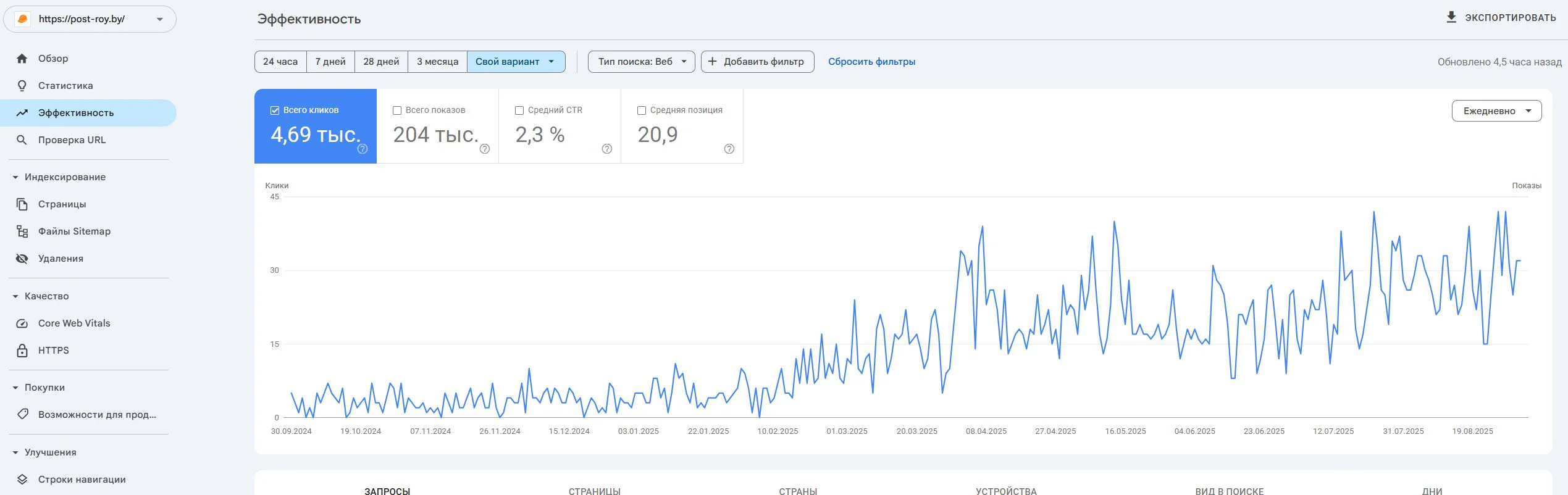
Post-Roy
A construction services website for industrial floors and screed. The project started from zero: no site, no domain, no digital reputation.
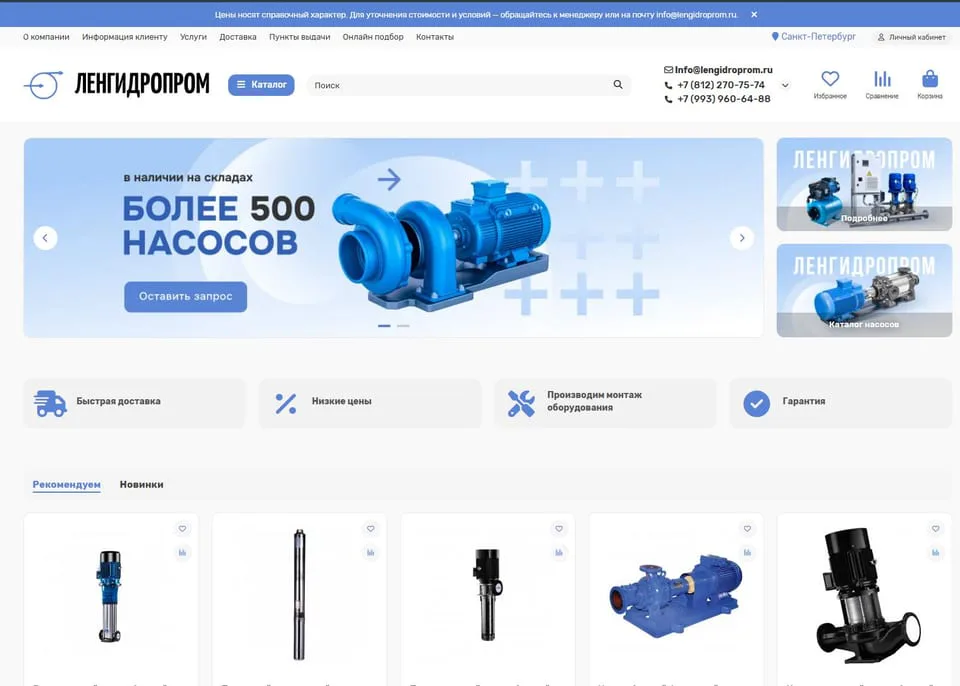
lengidroprom.ru
An OpenCart pumping equipment catalog: template redesign, bot filtering, silo architecture, trust factors and standardization of 3000+ product cards.
Personal
The expert who runs the work
No hiding behind a sales team: priorities, reviews, and straight answers—from strategy through reporting.

SEO Strategist
Pavel Barushka
Head of SEO @ Texode · Minsk / hybrid
SEO strategist with an engineering mindset. I lead projects from zero launch to scaling high-load platforms: JS/SPA, subdomains, multilingual and multiregional websites. Technical audits, indexation strategy, semantics and structured data are in my scope.
Frequently Asked Questions
Ready for every user to see the right version of your site?
Order an audit — I'll review your hreflang network and propose a plan that eliminates cannibalization.
Free initial consultation