Backlink profile audit —
toxicity, anchors, competitor gap, and Disavow only where it’s justified
Merged exports from multiple databases with normalized domains and URLs, donor classification by risk and relevance. Deliverable: a profile map, a justified Disavow when needed, and a prioritized plan for legitimate growth — not vanity chasing.
Why can a link profile cap growth or create penalty risk?
1
Toxic domains
Link farms, spam networks, thematically irrelevant backlinks — all of these put you at risk of manual actions or algorithmic downgrades.
2
Competitor gaps
The top three in your niche earn links from sources you don’t even know about. Your referring domain coverage lags behind, even if your product is superior.
3
Anchor text over‑optimization
Too many exact‑match or commercial anchors create an unnatural pattern that search engines easily detect.
4
Blind spot in dynamics
Suspicious spikes, sudden losses, possible negative SEO. You are missing the whole picture until it’s too late.
What’s included in a backlink audit
Merged exports from multiple databases with normalized domains and URLs, donor classification by risk and relevance. Deliverable: a profile map, a justified Disavow when needed, and a prioritized plan for legitimate growth — not vanity chasing.
Ahrefs / Majestic cross‑check
Full inbound link picture from major indexes: comparison, filtering, dedup by domain and URL, locked methodology for honest before/after.
- Cross‑validation of disputed donors
- Subdomain and mirror normalization
- First‑seen date slices where available
Toxicity & Disavow
Spam, networks, farms, off‑topic bulk inserts; Disavow file and rationale only for genuinely harmful groups.
- Separating noise from real risk
- GSC upload guidance and timeline expectations
- Tie‑in to manual actions when applicable
Competitor gap
Top‑of‑niche referrer overlaps and your white space; prioritized sites and formats for legitimate acquisition.
- DR and scores as secondary signals
- Thematic donor clusters, not a flat URL list
- What to fix with internal links before buying externals
Anchor text audit
Branded, partial, exact, generic, URL; exact/commercial skew and a plan to rebalance toward a natural profile.
- Benchmark vs niche norms
- Over‑optimization risks on money URLs
- Rules for new placements
Dynamics & negative SEO
Spikes and drops over time, bulk buys, repeating donor patterns; stripping crawler artifacts.
- Correlate spikes with launches and campaigns
- Coordinated network fingerprints
- Emergency monitoring plan during an attack
Donor quality review
Donor indexation, topical fit, page type (editorial, UGC, directory), signs of link resale.
- Sites with no meaningful SERP presence
- PBN and templated footprint signals
- What to keep as historical noise
GSC tie‑in & target URLs
Which inbound links hit commercial and revenue pages; anchor skew at URL level; cluster‑level risk.
- Links report vs priority landing pages
- Alignment with internal linking fixes
- Prioritization by traffic impact
Roadmap & cadence
What to disavow, what to monitor, how to grow and with which anchors; quarterly refresh and control metrics.
- Action order and owner roles
- Stop rules for new paid placements
- Repeat‑audit template
Engineering‑driven link audit
I merge data from multiple crawlers, classify donors by trust and patterns, and provide justified solutions — Disavow only where it really matters, plus a gap analysis that sets your priorities for legitimate outreach.
Multi‑source data collection — Ahrefs + Majestic (and additional sources when needed) for cross‑validated, normalized domain/URL snapshots.
Classification, not a raw dump — Donors are grouped by trust, niche relevance, anchor types, and network fingerprints. You get a map, not a spreadsheet.
Disavow without hysteria — I carefully assess the real threat level — marking only what’s genuinely harmful — and provide a ready‑to‑upload .txt file with GSC instructions.
Gap analysis = growth strategy — I show competitors’ referrer overlaps and your white‑space opportunities. This is a prioritized roadmap for real link building, not blind outreach.
How the audit works
A clear process — from raw data to a defensible strategy.
Step 1
Collection & normalization
Export your profile from multiple sources, remove duplicates, bring everything into a consistent format, and lock the methodology so before‑and‑after comparisons are honest. Outcome: A clean, dated dataset ready for analysis.
Step 2
Donor classification
Group donors into trusted, toxic, and junk clusters based on topical relevance, anchor patterns, and network signals. Outcome: A risk map and a clear picture of your profile’s strengths.
Step 3
Gap analysis & anchors
Compare referrer overlaps with top competitors. Calculate anchor‑type distribution and highlight unnatural signals. Outcome: A list of high‑priority gaps and anchor corrections.
Step 4
Strategy & Disavow
Compile the Disavow file (if needed), design a legitimate link‑building roadmap, set anchor constraints, and provide forecast‑level insights. Outcome: A complete backlink strategy playbook.
Sample results
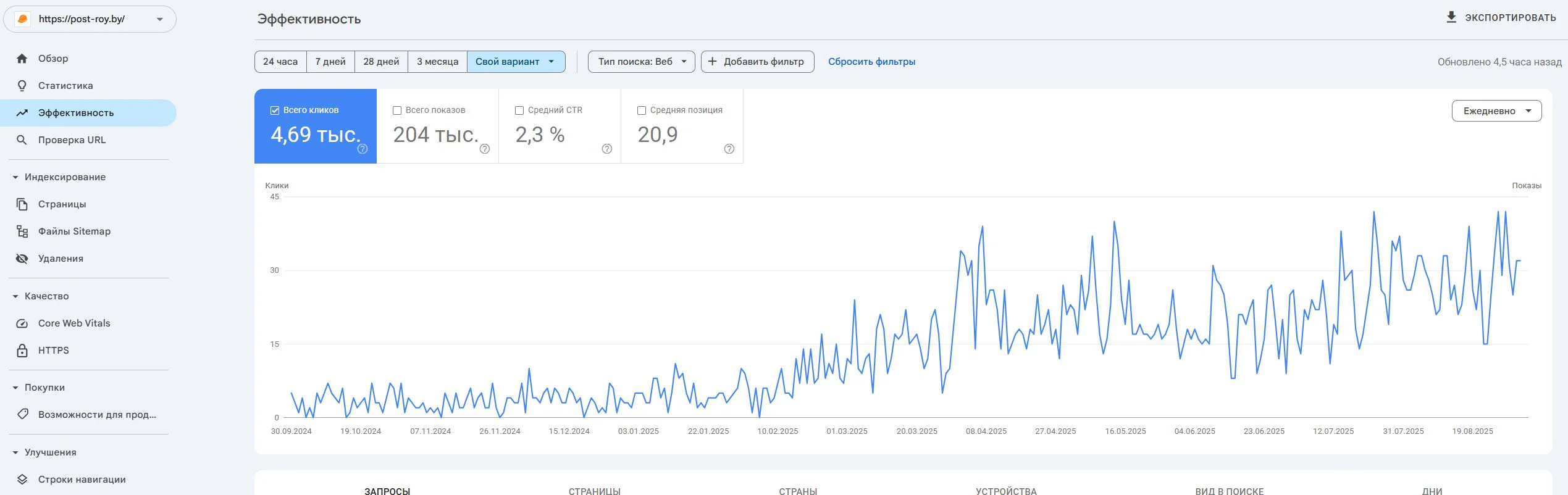
Post-Roy
A construction services website for industrial floors and screed. The project started from zero: no site, no domain, no digital reputation.
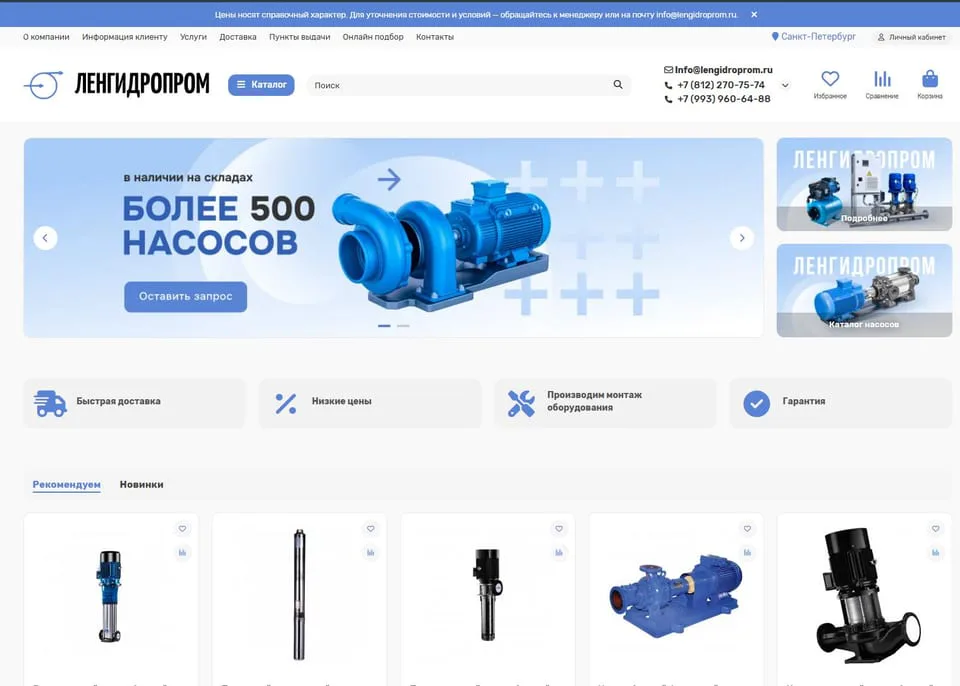
lengidroprom.ru
An OpenCart pumping equipment catalog: template redesign, bot filtering, silo architecture, trust factors and standardization of 3000+ product cards.
Personal
The expert who runs the work
No hiding behind a sales team: priorities, reviews, and straight answers—from strategy through reporting.

SEO Strategist
Pavel Barushka
Head of SEO @ Texode · Minsk / hybrid
SEO strategist with an engineering mindset. I lead projects from zero launch to scaling high-load platforms: JS/SPA, subdomains, multilingual and multiregional websites. Technical audits, indexation strategy, semantics and structured data are in my scope.
Frequently Asked Questions
Ready to learn the true state of your backlinks?
Profile map, justified Disavow, and a legitimate growth plan — no raw dumps or panic.
Includes a free initial consultation