MODX Revolution —
SEO development: clean HTML, TVs, friendly URLs, and caching from day one
A CMF with full output control: templates and chunks without theme magic, meta and JSON‑LD via Template Variables, friendly URLs and a single canonical policy. Fenom and layered caching tuned for real templates so CWV and indexing are not a second‑phase patch.
Why do typical CMS stacks make HTML, URLs, and meta harder to control?
1
Bloated HTML and heavy themes
Popular CMS templates generate excessive markup, breaking semantics and Core Web Vitals.
2
Plugins instead of architecture
Dozens of plugins handle SEO tasks, creating conflicts, slowdowns, and migration nightmares.
3
Lost control over metadata
URLs are auto‑generated, duplicates appear, managing titles and JSON‑LD becomes a hack instead of a feature.
4
Vulnerabilities that threaten traffic
A hack or accidental meta/redirect change destroys search trust. A conservative, secure environment is essential.
What’s included in MODX SEO development
A CMF with full output control: templates and chunks without theme magic, meta and JSON‑LD via Template Variables, friendly URLs and a single canonical policy. Fenom and layered caching tuned for real templates so CWV and indexing are not a second‑phase patch.
Clean SEO‑friendly HTML
Hand‑crafted markup without redundant wrappers: semantics, baseline accessibility patterns, a predictable DOM for crawlers.
- Templates aligned with Mobile‑First and LCP‑critical blocks
- No duplicate wrappers from snippet sprawl
- Layout stays consistent with the design system
TVs for meta and content
Template Variables for Title, Description, H1–H3, JSON‑LD blocks; validation and hints for editors.
- Field types and sensible defaults
- Guards against broken H1 on copy‑paste
- TVs wired to the right resource templates
Friendly URLs & canonical
Aliases, unified canonical and redirect rules; no auto‑generated junk in paths.
- Policy for pagination and filters when they exist
- Merge test and utility paths
- Post‑migration domain checklist
Modular templates
Chunks and snippets for breadcrumbs, menus, sitemap, and shared SEO blocks — one logic across the catalog.
- Reuse without copy‑paste across dozens of templates
- Versioning for critical chunks
- Extension points for A/B without code duplication
Core security
Conservative extras set, roles, updates, access hygiene; lower risk of meta and redirect tampering.
- Minimize superadmin rights in production
- Backups and a recovery plan
- Change logs where they add value
Structured data
JSON‑LD in templates from resource data and TVs — no extra plugins or HTML drift.
- Article, Product, LocalBusiness, BreadcrumbList — as needed
- Rich Results Test on canonical URLs
- Rules for multilingual setups and duplicate templates
Fenom & cache
Template compilation and cache policies per template and role; CWV measured before production.
- Profiles for anonymous vs signed‑in users
- Object cache when infrastructure allows
- Regression checks after template deploys
Sign‑off & monitoring
Staging → production: redirects, XML sitemap, spot crawls; GSC monitoring after rollout.
- Smoke top URLs and commercial funnels
- Coverage thresholds and a fix backlog
- Runbook handoff for editors and support
Engineering‑first MODX development for SEO
MODX Revolution is a CMF with absolute HTML control. I design websites so every technical element serves organic search: from human‑readable URLs to structured data, all without plugins or theme magic.
Clean HTML via Template Variables — Title, H1‑H3, structured data blocks — all driven by TV manually, no extra wrappers.
Flexible routing and friendly URLs — Predictable aliases and human‑readable addresses without auto‑generated junk in URLs.
Modular templates & security — Unified canonical rules, breadcrumbs, sitemaps reused across resources. A conservative core and access hygiene protect against attacks.
Speed through Fenom and caching — Fenom template engine accelerates HTML assembly; multi‑layer cache reduces TTFB. Configured for real templates, not ‘enable blindly’.
How a MODX SEO project comes together
A cycle where URL structure and TV definitions are locked in before mass content entry.
Step 1
Setup
Core installation and configuration, friendly URLs, roles, baseline snippets. Resource‑type and TV plan — so content managers can’t break SEO fields. Outcome: A ready environment with an SEO field scaffold.
Step 2
Dev
Templates, chunks, snippets under unified canonical rules, navigation, internal linking. XML sitemap and JSON‑LD wiring. Outcome: A functional site with baked‑in SEO logic.
Step 3
Optimize
Fenom tuning and caching policies, Core Web Vitals measurement. Staging sign‑off, production rollout with GSC monitoring. Outcome: A fast, secure, and indexable website.
Sample results
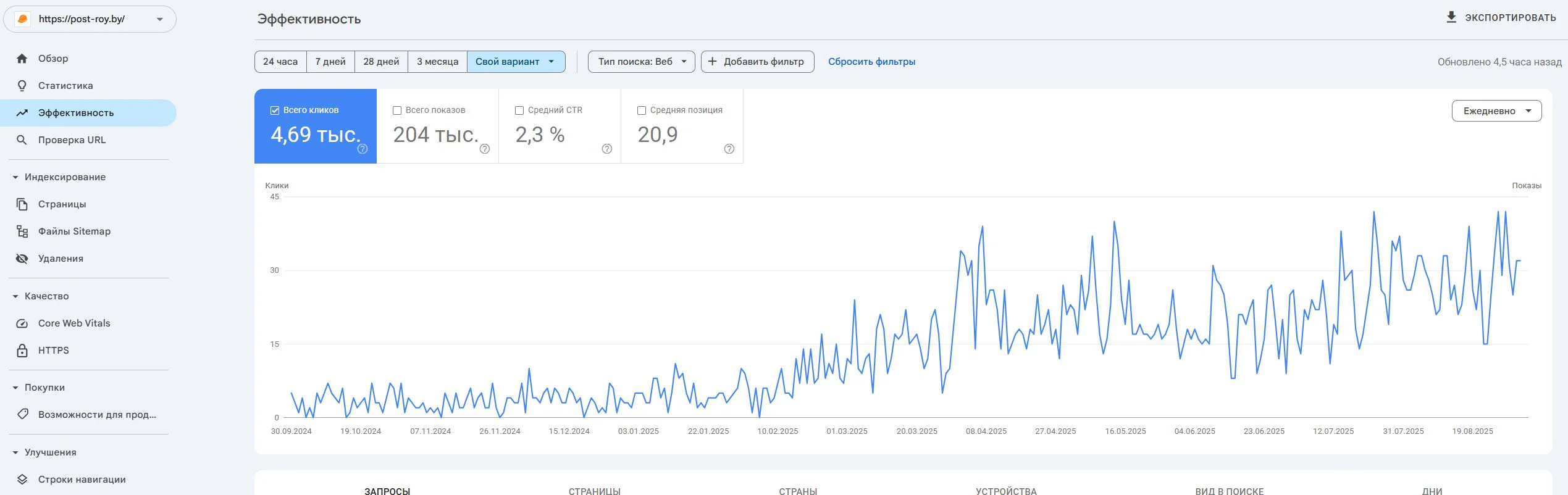
Post-Roy
A construction services website for industrial floors and screed. The project started from zero: no site, no domain, no digital reputation.
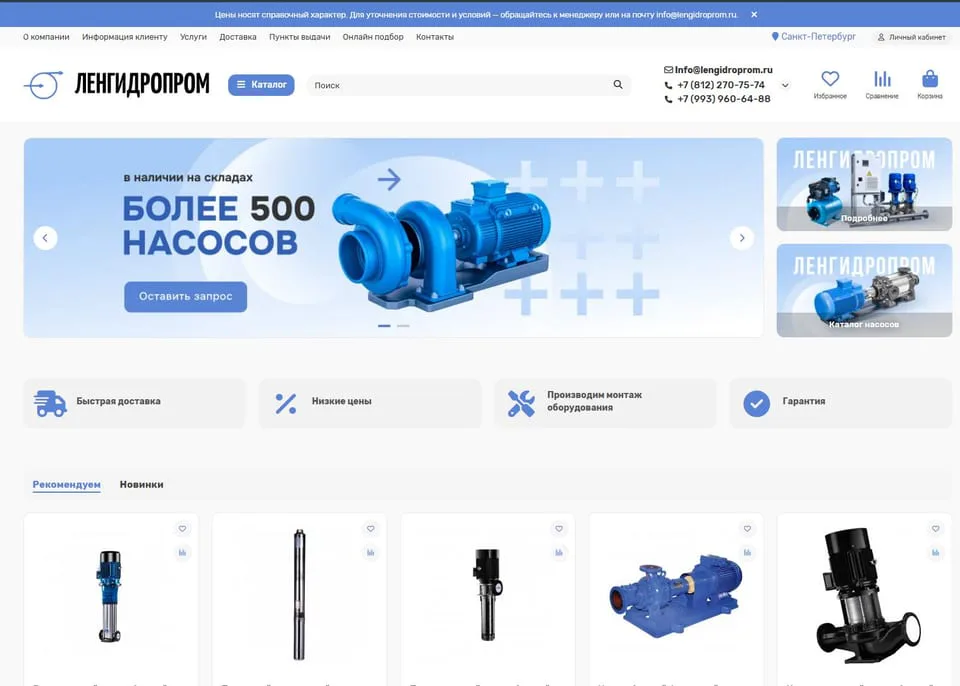
lengidroprom.ru
An OpenCart pumping equipment catalog: template redesign, bot filtering, silo architecture, trust factors and standardization of 3000+ product cards.
Personal
The expert who runs the work
No hiding behind a sales team: priorities, reviews, and straight answers—from strategy through reporting.

SEO Strategist
Pavel Barushka
Head of SEO @ Texode · Minsk / hybrid
SEO strategist with an engineering mindset. I lead projects from zero launch to scaling high-load platforms: JS/SPA, subdomains, multilingual and multiregional websites. Technical audits, indexation strategy, semantics and structured data are in my scope.
Frequently Asked Questions
Ready for a MODX site built to rank from day one?
Audit your current build or plan a greenfield MODX site — roadmap with speed targets and clean output.
Free initial consultation included