SERM —
control what branded search shows
We shape what customers see for brand queries: SERP audits, push-down with trusted assets, review programs, and mention monitoring. The brand should read as trustworthy — not buried under complaints.
Are negative search results destroying brand trust?
1
Negative reviews and articles in top positions
Branded queries surface complaints, hit pieces, or smear campaigns before your site. Prospects bounce early.
2
Uncontrolled reputation
Mentions appear chaotically; brand responses are missing or late. The narrative is written without you.
3
Problems on review platforms
Google Business Profile, Yandex Maps, Trustpilot fill with unanswered negatives. Ratings and CTR suffer.
4
One-off posts don’t move the SERP
A couple of articles rarely displaces entrenched negatives. You need a system and measurable KPIs.
What’s included in SERM
We shape what customers see for brand queries: SERP audits, push-down with trusted assets, review programs, and mention monitoring. The brand should read as trustworthy — not buried under complaints.
Reputation SERP audit
Top‑20 for brand and reputation queries: who owns the screen, where the risk sits, where positives can land.
- Property taxonomy: media, review sites, forums, social, aggregators
- Query prioritization by volume and funnel stage
- A “before” snapshot for downstream KPIs
Push-down & asset pipeline
A publishing and placement plan: what to ship, where, and in what order.
- Trusted domains matched to niche and region
- Briefs for guest and press assets without spam or grey tactics
- Coordination with SEO/PR to avoid duplicated effort
Review platform management
Google Business Profile, Yandex Maps, 2GIS, Trustpilot, and more — consistent tone and response speed.
- Template constructors for common cases — not robotic replies
- A legitimate plan to invite happy customers to review
- Tracking average rating and review freshness
Mention monitoring
Google Alerts, Brand24, or equivalents tuned to brand, products, and key spokespeople.
- Escalation rules: who responds and within what SLA
- Noise filtering to reduce false positives
- A weekly digest for marketing and leadership
Quarterly ORM strategy
Publishing cadence, sentiment goals, and roles so reputation isn’t “project mode” forever.
- KPIs for positive share in top‑10 and negative movement
- Legal alignment on sensitive topics
- Tie-ins with product/support on recurring complaint themes
Crisis response playbook
Runbooks for spikes: official channels, media, legal when appropriate.
- First 24–48 hour checklist
- Single messaging source — no improvised public fights
- Post-incident review and playbook updates
Branded SERP modules & snippets
Sitelinks, FAQ, local packs — making the official brand signal more visible than third-party pages.
- Structured data and page-structure guidance for rich results
- Checks for conflicting snippets or duplicates in SERP
- Alignment with the team owning site + Search Console/Webmaster
Reporting & share of voice
Regular reports: negative URL positions, positive asset ranks, ratings, branded CTR trends.
- Dashboard or spreadsheet for execs and operators
- Period comparisons with a clear “done / next” narrative
- Honest bounds on what can be displaced and how fast
Systematic SERM: from audit to ongoing protection
We don’t promise to “delete negativity” — only lawful tactics. SERP audit first, then push-down assets, review workflows, and monitoring so spikes don’t sit unanswered for weeks.
SERP audit as the foundation — Top‑20 for branded queries: review sites, forums, media. A threat map and displacement opportunities.
Push-down strategy — Trusted pages (profiles, directories, press, guest formats) created and promoted to earn visibility above harmful URLs.
Review management — Plans for genuine new reviews and thoughtful responses to negatives. Ratings and freshness affect local SERP modules.
Monitoring & response — Alerts for new mentions plus an agreed escalation path — so negatives don’t age in public without a reply.
How the work is structured
From a SERP snapshot to steady monitoring and course corrections.
Step 1
Audit
Top‑20 for branded queries: negatives, positives, gaps. Prioritized properties for push-down. Outcome: A risk and opportunity map.
Step 2
Strategy
Push-down plan, assets, and placements. Parallel review/ORM roadmap with KPIs. Outcome: A dated roadmap with owners and assets.
Step 3
Execution & promotion
Trusted-surface publishing, promotion, review work: responses and new review asks. Outcome: Negatives shift out of the first screen; ratings stabilize or improve.
Step 4
Monitoring & adjustment
Ongoing monitoring, quarterly strategy refresh, rapid response to new spikes. Outcome: A managed reputation with clear progress metrics.
Sample results
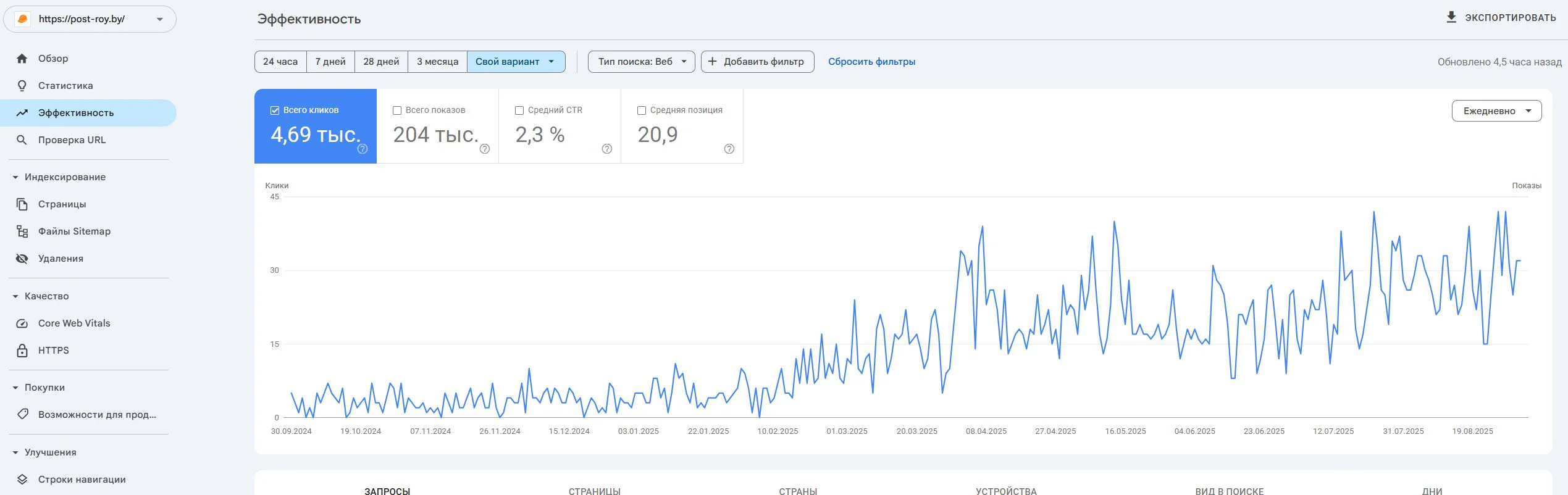
Post-Roy
A construction services website for industrial floors and screed. The project started from zero: no site, no domain, no digital reputation.
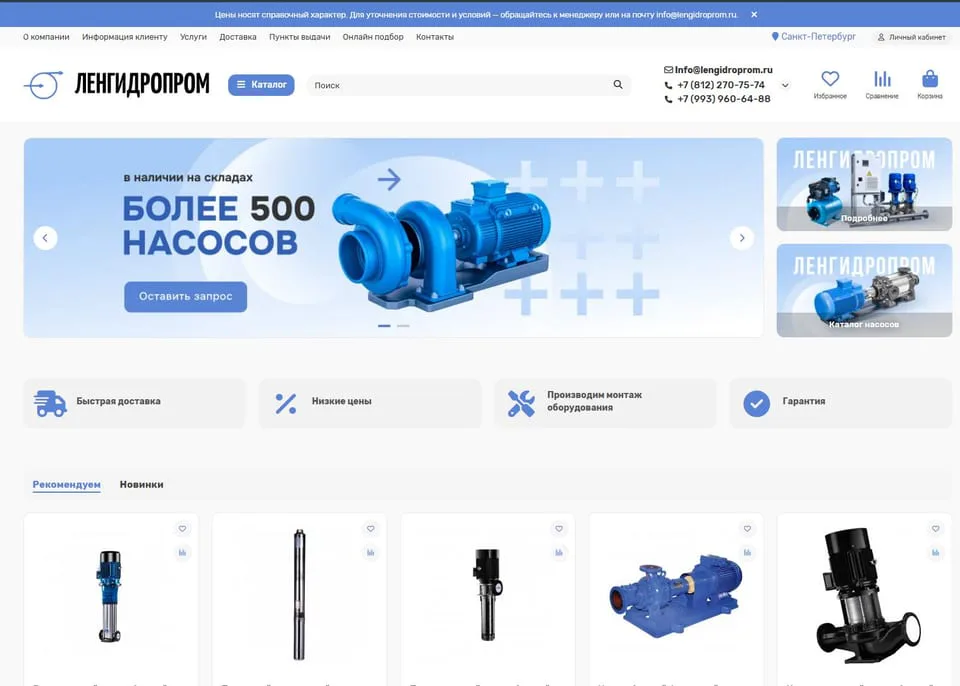
lengidroprom.ru
An OpenCart pumping equipment catalog: template redesign, bot filtering, silo architecture, trust factors and standardization of 3000+ product cards.
Personal
The expert who runs the work
No hiding behind a sales team: priorities, reviews, and straight answers—from strategy through reporting.

SEO Strategist
Pavel Barushka
Head of SEO @ Texode · Minsk / hybrid
SEO strategist with an engineering mindset. I lead projects from zero launch to scaling high-load platforms: JS/SPA, subdomains, multilingual and multiregional websites. Technical audits, indexation strategy, semantics and structured data are in my scope.
Frequently asked
Ready to regain control over what customers see about you in search?
Discuss a SERP audit, push-down assets, and a monitoring cadence for your brand.
Free initial consultation included