Startup & MVP SEO —
foundation under the hood, not post-launch patching
We bake SEO into code and processes before the first users: indexation, a minimal keyword corpus, a 90‑day roadmap, and analytics from Day One — so organic growth is grounded in data, not vibes.
Why doesn’t organic growth take off on the first try?
1
SEO pushed to «later»
Ships go out without solid URLs, indexation, or baseline meta. Tech debt compounds, and fixing it after users arrive costs more than baking SEO in early.
2
No priorities — scattered backlog
Chasing every keyword and scaling content before product pages and tech are stable. The team drowns in tasks with little measurable lift.
3
No analytics baseline
GSC and GA4 arrive late or misconfigured — you can’t see what’s indexed or clicked. Organic questions get answered with opinions, not numbers.
4
Someone else’s roadmap on your runway
Copying enterprise playbooks without matching team and budget. Work volume doesn’t match reality — burnout and zero output.
What’s included in Startup & MVP SEO
We bake SEO into code and processes before the first users: indexation, a minimal keyword corpus, a 90‑day roadmap, and analytics from Day One — so organic growth is grounded in data, not vibes.
SEO architecture from scratch
URL structure, rendering choice (SSR/SSG), robots.txt, sitemap, and canonicals — so indexation is predictable instead of fire‑fighting after launch.
- Routes and 404s without noisy index duplicates
- Crawl-friendly JS and first meaningful render
- Pre‑launch checklist against GSC Coverage
Resource‑based prioritization
Backlog split by MVP risk vs Phase 2. One prioritized view for product, engineering, and marketing.
- Impact‑first ranking of SEO tasks
- Dedicated «indexation blockers» lane
- Aligned with your release calendar
Developer‑ready tickets
Concrete specs: redirects, meta templates, structured data, analytics events — with acceptance criteria, not vague «improve SEO» notes.
- Sample URLs and expected HTML
- Staging verification before prod
- Handoff notes for maintainers
First 90‑day plan
Week‑level skeleton: tech & indexation, core semantics and templates, first content bets, data review and next‑cycle adjustments.
- Weeks 1–2: indexation and critical errors
- Weeks 3–6: semantics and product URLs
- Month 3: decisions from GSC/GA4 signals
Analytics & tracking from scratch
GSC, GA4, key events and goals; a single dashboard narrative for the team. We spell out which metrics are honest at low traffic.
- Events tied to activations and leads
- Organic vs paid segmentation
- Monthly report template
Team workshops
Short sessions for devs and PMs: how releases, feature flags, and architecture affect crawl and rankings. Fewer regressions after deploys.
- Pre‑major‑deploy checklist
- Common SPA anti‑patterns
- Who owns GSC escalations
SPA & heavy front‑end indexation
Validate the DOM Googlebot sees, fallbacks for critical pages, early crawl budget hygiene — so the product isn’t invisible in search.
- SSR/SSG vs CSR for your stack
- Pagination, filters, and URL parameters
- Log + GSC cross‑checks
Meta, OG, and social previews
Unified title/description templates plus Open Graph and Twitter cards for marketing and product URLs — controlled snippets in search and shares.
- Length and uniqueness rules per template
- Preview checks for priority URLs
- Brand and product alignment
Engineering‑grade SEO foundation: fast, prioritized, no fluff
We don’t park startups in year‑long slide‑deck strategies. In 90 days we ship the critical minimum: a technical foundation pre‑launch, a minimal keyword corpus aligned with the offer, and analytics. Everything else follows GSC/GA4 signals, not wishlists.
SEO before launch — Clean URL structure, SSR/SSG for React, semantic HTML, canonical tags, robots.txt, sitemaps — baked into the code, not retrofitted after release.
Minimal MVP semantics — Not 100k keywords, but 200–500 relevant ones for the product and offer. Priority: commercial and product‑related queries.
90‑day roadmap — Weeks 1–2: tech & indexation. Weeks 3–4: meta tags & structured data. Month 2: first content for awareness. Month 3: data review and adjustment.
Tracking from Day One — GSC and GA4 are set up pre‑launch. Within 2–4 weeks — first meaningful reports to cut waste and prove effect to stakeholders.
How the work is structured
A short cycle that fits a startup’s limited runway: first things that prevent everything from breaking.
Step 1
Foundation
Pre‑launch: URL architecture, routing, duplicate prevention, critical speed, basic indexation, Google Search Console connection. Outcome: Site is indexed, no critical GSC errors.
Step 2
Semantics
MVP‑focused keyword corpus: clusters for the product and commercial intent, title/description templates, basic interlinking. Outcome: Target pages are relevant to key queries without cannibalization.
Step 3
Growth
After first GSC and analytics data — launch content and targeted link building only for activities that show measurable response within the current budget. Outcome: First organic conversions, a data‑backed scaling strategy.
Step 4
Data & next cycle
GSC and GA4 review: what worked, what broke after releases. We refresh priorities and the backlog for the next 90‑day cycle. Outcome: Decisions from numbers and an agreed plan — without vanity positions.
Sample results
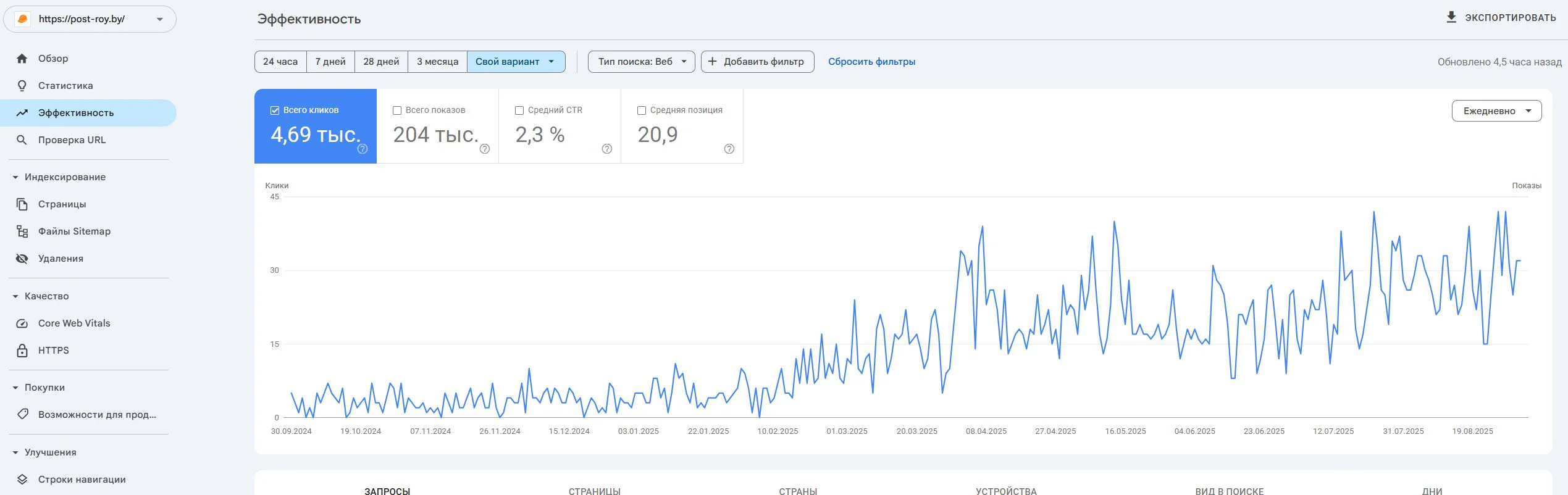
Post-Roy
A construction services website for industrial floors and screed. The project started from zero: no site, no domain, no digital reputation.
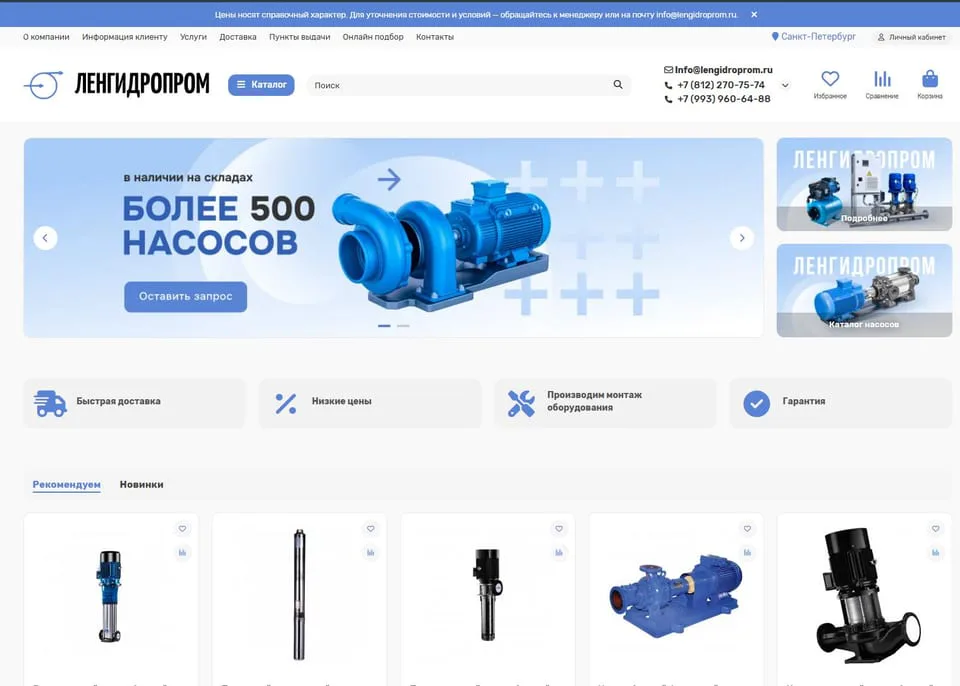
lengidroprom.ru
An OpenCart pumping equipment catalog: template redesign, bot filtering, silo architecture, trust factors and standardization of 3000+ product cards.
Personal
The expert who runs the work
No hiding behind a sales team: priorities, reviews, and straight answers—from strategy through reporting.

SEO Strategist
Pavel Barushka
Head of SEO @ Texode · Minsk / hybrid
SEO strategist with an engineering mindset. I lead projects from zero launch to scaling high-load platforms: JS/SPA, subdomains, multilingual and multiregional websites. Technical audits, indexation strategy, semantics and structured data are in my scope.
Frequently asked
Ready to build an SEO foundation instead of patching holes after launch?
Discuss a pre‑launch or MVP audit — action plan, backlog, and acceptance criteria for your team.
Free initial consultation included