WordPress SEO development —
lean theme, few plugins, cache, and hardening
Themes and tweaks built for indexing: semantic markup, a minimal plugin stack (SEO, redirects, sitemap), object/edge cache where the host allows, CPTs aligned with your keyword map. No heavy builders — CWV headroom stays healthy and the admin stays editor‑friendly.
Why does WordPress slow down and sprawl with plugins?
1
Bloated page builders
Elementor and similar tools generate hundreds of nested divs, inflate the DOM, and load masses of unused CSS/JS. Performance tanks.
2
A plugin for every sneeze
50+ plugins for meta tags, cache, forms, sliders. Conflicts, vulnerabilities, and an avalanche of updates.
3
CWV stuck in the red
LCP over 4 seconds, CLS jumping, INP lagging. Users leave, Google penalizes.
4
Vulnerabilities and hacks
Outdated plugins and themes, open login doors, no backups. Meta‑tag and redirect tampering slash organic traffic.
What’s included in WordPress SEO development
Themes and tweaks built for indexing: semantic markup, a minimal plugin stack (SEO, redirects, sitemap), object/edge cache where the host allows, CPTs aligned with your keyword map. No heavy builders — CWV headroom stays healthy and the admin stays editor‑friendly.
Lightweight themes
Develop or adapt a theme without DOM bloat. Post and CPT templates with baseline SEO fields and markup where it earns rich results.
- Semantic HTML and accessible baseline patterns
- Fewer moving parts in the admin
- Design alignment without locking into a page builder
Security hardening
Login limits, trimming unnecessary surface area, backups, update monitoring, and a pre‑launch checklist.
- File permissions and secrets outside the repo
- Restore drill when backups exist
- Basic WAF/rate limits where appropriate
Speed & caching
LiteSpeed Cache / WP Rocket, object cache, edge when the host supports it; script loading strategy, media, optional DB hygiene.
- Cache profiles for anonymous vs editor sessions
- Deferred loading for non‑critical JS
- CWV checks on the heaviest templates
Custom Post Types
CPTs and taxonomies mapped to your keyword architecture — no thin archives or clashes with listings.
- Indexing rules for archives and pagination
- Cross‑type relationships and internal links
- Editor fields that stay usable
SEO foundation
Robots.txt, XML sitemap, canonicals, redirects; GSC and lean event tracking.
- One meta + schema stack without duplicate plugins
- Policy for attachments and utility URLs
- Post‑migration verification playbook
Loss‑free migration
Move to a clean theme or stack while keeping URLs, meta, and redirects; monitor Coverage after launch.
- Redirect and merge map
- Feed and markup parity when templates change
- Smoke tests on top URLs and money funnels
Engineered WP development: lightweight, fast, secure
I don’t install «everything under the sun.» I craft lean, semantic themes, pick a minimal, justified plugin stack, and tune server‑side caching and hardening. WordPress stays content‑friendly without turning into a dependency maze.
Clean, builder‑free themes — Bespoke development or adaptation without Elementor. Minimal CSS/JS, semantic structure, Mobile‑First ready.
Minimal plugin stack — One SEO circuit (meta/schema), proper redirects, a sitemap. Custom Post Types are designed around your keyword corpus, not «just in case.»
Cache and speed — LiteSpeed Cache, object cache, edge caching — whatever the host supports. Optimized script loading and media delivery.
Security hardening — Core and plugin updates, login limits, basic WAF, backups, and a rollback plan. A WP hack directly damages GSC.
How a WP project is structured
Three pillars: don’t bloat the theme, don’t multiply plugins, don’t leave production unhardened.
Step 1
Theme
Develop or adapt a lightweight theme, post and CPT templates, basic SEO fields. Align with design without fragile builder dependencies. Outcome: A clean theme ready for content layout.
Step 2
Plugins
Inventory and reduce the plugin set: one SEO circuit, proper redirects, a sitemap. Configure WooCommerce or other CPTs without duplicates. Outcome: A minimal, well‑justified plugin stack.
Step 3
Secure
Login limits, removing unnecessary features, backups, update monitoring. Production checklist: file permissions, secrets outside the repo, a recovery plan. Outcome: A protected, high‑performance WordPress in production.
Sample results
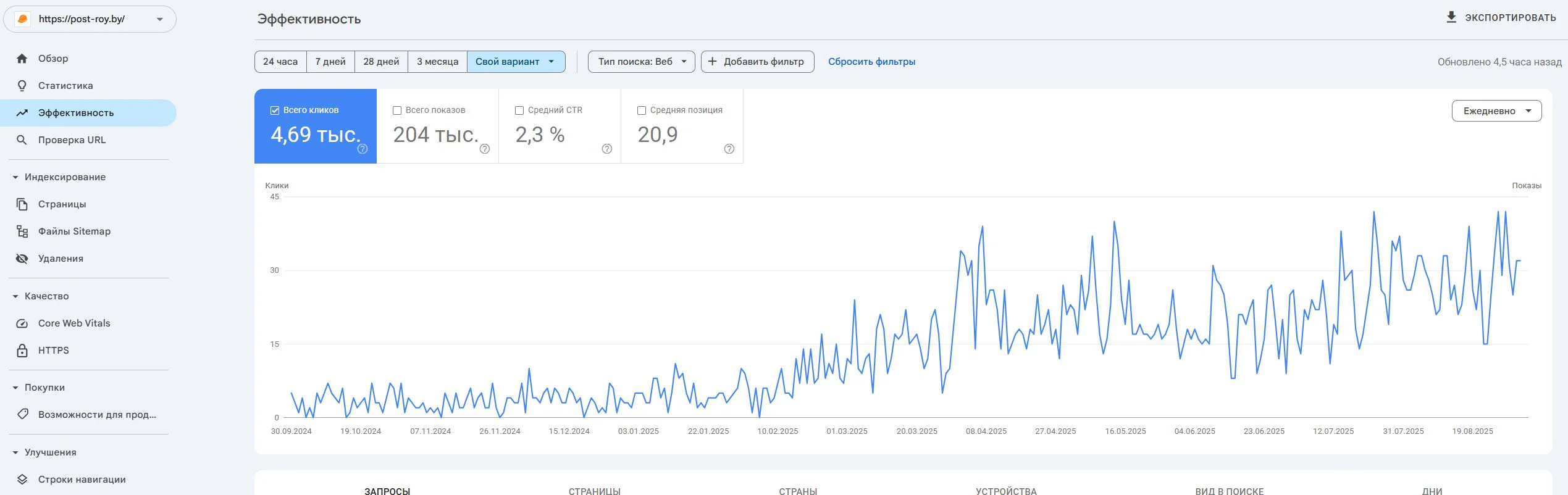
Post-Roy
A construction services website for industrial floors and screed. The project started from zero: no site, no domain, no digital reputation.
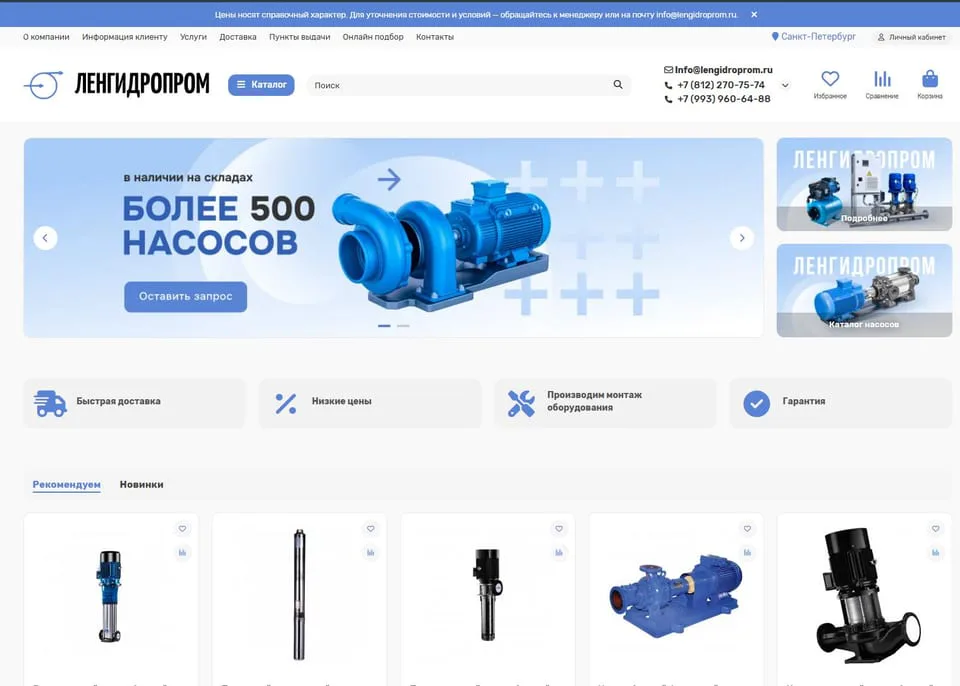
lengidroprom.ru
An OpenCart pumping equipment catalog: template redesign, bot filtering, silo architecture, trust factors and standardization of 3000+ product cards.
Personal
The expert who runs the work
No hiding behind a sales team: priorities, reviews, and straight answers—from strategy through reporting.

SEO Strategist
Pavel Barushka
Head of SEO @ Texode · Minsk / hybrid
SEO strategist with an engineering mindset. I lead projects from zero launch to scaling high-load platforms: JS/SPA, subdomains, multilingual and multiregional websites. Technical audits, indexation strategy, semantics and structured data are in my scope.
Frequently Asked Questions
Want a WordPress that flies instead of crawling?
Order development or an audit — get a site without bloat and with green metrics.
Free initial consultation included